The Ultimate Guide to the Nasa Hood Motor: Industrial Standards and Specifications
Introduction: Defining the Modern Kitchen Motor
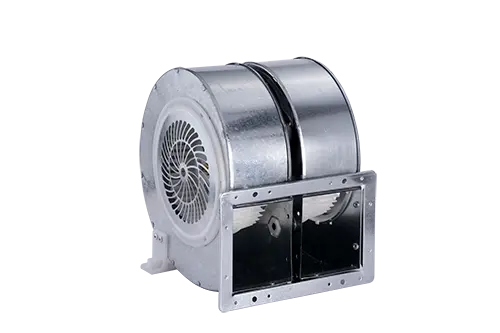
When upgrading or manufacturing a premium ventilation system, selecting the right hood motor is the most critical decision you can make. The Nasa hood motor has emerged as the premier choice for professionals demanding uncompromising reliability and continuous power. If you are looking for a kitchen motor that delivers unmatched efficiency, understanding the technology behind the Nasa hood motor is absolutely essential. Unlike generic motors, a specialized hood motor must withstand severe moisture, intense heat, and continuous operation while maintaining a remarkably quiet profile. In this comprehensive guide, we will explore the technical standards and engineering brilliance that make Nasa the ultimate solution for modern ventilation.
A kitchen motor is fundamentally different from standard electric motors used in other household appliances. While a basic fan motor might simply circulate air, a motor designed for an exhaust hood must aggressively extract heavy smoke, airborne grease particles, and stubborn odors, pushing them through complex ductwork. This requires a robust, heavy-duty design capable of sustaining high performance over many years without faltering.
To truly appreciate the engineering required, we can look at the technical insights provided by Rotalink, a globally recognized authority in motion control and power transmission. According to Rotalink’s extensive research on the application of miniature gearboxes in home appliances, modern consumers and commercial kitchens alike demand a delicate balance between high torque and whisper-quiet operation. Rotalink emphasizes that integrating a precision-engineered hood gearbox or advanced transmission system can significantly reduce the acoustic footprint of an appliance without sacrificing its extraction capabilities. When a motor operates at high speeds to remove smoke, the internal mechanisms must be perfectly synchronized. The utilization of advanced motion technology ensures that the torque is maximized, allowing the motor to pull heavy, grease-laden air effortlessly. This means that even during peak cooking hours in a busy commercial environment, the motor operates with a smooth, silent efficiency that enhances the overall kitchen experience.
The Science Behind the Hood Motor Standard
Note: The following technical specifications are drawn from the highest, most rigorous international engineering standards for HVAC and commercial kitchen ventilation systems, representing the benchmark that top-tier manufacturers strive to achieve.
Defining the exact hood motor standard requires a deep dive into the physical and electrical parameters that dictate long-term performance. When we talk about a premium electromotor for hood applications, we are discussing a highly specialized piece of machinery. The standards governing these motors are strict because the environment they operate in is exceptionally harsh and unforgiving.
Thermal Resilience and Ingress Protection
First and foremost is the issue of thermal resistance. A standard kitchen motor is constantly exposed to rising heat from stovetops, industrial ovens, and commercial fryers. To survive this, premium motors must adhere to strict environmental protections:
-
Insulation Class F: The motor windings must be rated Class F or higher, allowing the motor to withstand internal operating temperatures of up to 155°C (311°F) without degrading. This prevents the motor from burning out during heavy use.
-
IP44 Rating or Higher: Because exhaust hoods deal with steam and vaporized grease, the housing must be effectively sealed. An IP (Ingress Protection) rating of 44 prevents grease from coating internal copper windings, avoiding short circuits.
By adhering to these rigorous protections, manufacturers ensure the longevity and safety of the entire appliance.
Maximizing Hood Suction Power
Furthermore, we must address hood suction power. This is typically measured in Cubic Feet per Minute (CFM) or cubic meters per hour (m³/h). The hood motor standard dictates that the motor must provide consistent static pressure to overcome the resistance of the building’s ducting system.
The standard requires that the motor can maintain its rated RPM (Revolutions Per Minute) even when the static pressure in the exhaust duct fluctuates. A substandard kitchen motor will stall and overheat against immense backpressure. In contrast, a rigorously engineered motor features a robust torque curve, automatically compensating for increased resistance. Additionally, a high-performance electromotor is dynamically balanced to eliminate vibrations, translating electrical energy directly into massive suction power rather than rattling the metal casing.
Why AC Motors? Technical Insights from RS Online
To understand why specific motors are chosen for these demanding kitchen environments, we turn to the classifications provided by RS Online, a premier global distributor of electrical components. Their data highlights the undeniable advantages of AC (Alternating Current) motors for continuous-duty ventilation.
The Power of AC Induction
For an electromotor for hood applications, AC induction motors are universally preferred over DC motors. An AC induction motor uses a rotating magnetic field to induce a current, creating the torque needed to spin heavy fan blades. Because there are no physical brushes connecting the stator to the rotor, there is no friction and no sparking. This brushless design is a primary reason why AC induction motors boast an incredibly long operational lifespan, making them the perfect industrial hood spare part.
For a deeper technical dive into the efficiency and speed control of induction motors in industrial applications, you can explore the comprehensive engineering resources at Engineering Toolbox, a leading authority in mechanical and electrical specifications.
Thermal Dissipation and Longevity
RS Online’s database elaborates on the thermal dissipation capabilities of AC motors. Because a kitchen motor operates in extreme heat, its ability to shed generated heat is paramount. AC induction motors are constructed with ribbed aluminum or heavy-duty steel housings that act as natural heat sinks. By maintaining a lower internal operating temperature, the electromotor avoids the degradation of its stator insulation—a critical factor for 24/7 commercial operations.
Shaded-Pole and PSC Motors
-
Shaded-Pole Motors: Highly valued for their simplicity and extreme reliability. They are self-starting and provide a steady power source for medium-sized systems.
-
Permanent Split Capacitor (PSC) Motors: For larger, commercial-grade systems where massive hood suction power is non-negotiable, PSC AC induction motors are the gold standard. They offer higher efficiency, run cooler, and provide the high starting torque necessary to immediately move large volumes of heavy air.
When you examine a premium product like the Nasa hood motor, you are looking at the pinnacle of AC motor technology.
The Competitive Advantage: Why Choose the Nasa Hood Motor?
When sourcing components for manufacturing lines or securing inventory for wholesale, the brand you choose reflects directly on your reputation. This is where Namavaran Sanaye Arvin and their flagship product, the Nasa hood motor, completely change the landscape.
They do not just sell an industrial hood spare part; they engineer permanent solutions. Their deep understanding of the hood motor standard allows them to produce motors that far exceed basic operational requirements.
Empowering Wholesalers
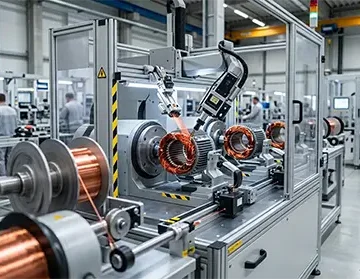
In the B2B wholesale market, return rates can severely damage profitability. By stocking the Nasa hood motor, wholesalers provide clients with a practically zero-defect product. Before approval, these motors undergo punishing tests—including extreme humidity chambers, high-temperature ovens, and continuous locked-rotor testing—to ensure thermal overload protectors activate perfectly. This rigorous quality control eliminates costly returns and builds long-term retail loyalty.
Streamlining Production Line Suppliers
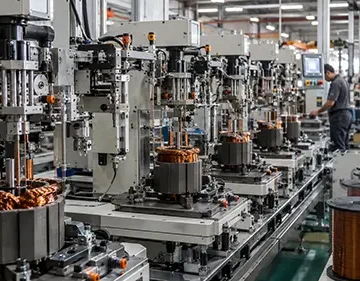
For factories manufacturing kitchen hoods, supply chain reliability is the top priority. The Nasa hood motor features standardized mounting brackets and intelligent wiring harnesses, making it incredibly easy to integrate into high-speed assembly lines. The hood gearbox and motor assemblies are perfectly calibrated straight out of the box, resulting in a faster production cycle and a superior finished appliance.
Equipping Repair Technicians
When a hood fails, repair technicians need a universally adaptable replacement. The Nasa hood motor is revered because its robust AC induction design means dramatically fewer call-backs for burned-out windings. When a technician installs a Nasa electromotor for hood repair, they are not just fixing the appliance; they are actively upgrading it.
Conclusion: Elevate Your Business with the Standard in Hood Motors
In the competitive world of commercial ventilation, the motor is the beating heart of any exhaust hood. The requirements for a top-tier electromotor are incredibly stringent, from advanced hood gearbox dynamics to robust AC induction technology for unparalleled heat dissipation.
The Nasa hood motor embodies the ultimate hood motor standard, combining high torque, immense hood suction power, and bulletproof reliability. Designed and backed by the technical expertise of Namavaran Sanaye Arvin, it is the definitive, risk-free choice for discerning wholesalers, production line managers, and dedicated repair technicians.
If you are a wholesaler looking for bulk orders or a production manager requiring custom technical specifications for your assembly line, our team of experts is ready to assist you.
Contact Namavaran Sanaye Arvin’s Engineering Team Today to discuss your project requirements and get a professional consultation.:
Ready to Upgrade Your Standard?
Do not compromise the quality of your ventilation systems with mass-market components. Equip your production lines and empower your repair technicians with the industry’s finest industrial hood spare part.
Discover the technical superiority of the Nasa hood motor today. Visit Namavaran Sanaye Arvin to explore the full range of professional-grade electromotors, access detailed technical specifications, and speak directly with B2B engineering consultants. Upgrade your standard, maximize your suction power, and drive your business forward with Nasa.