K30 Motor Thermal Protection and Operating Temperature
For OEM QA Directors and Reliability Engineers, the ultimate test of a centrifugal blower is not how it performs on a pristine R&D workbench, but how it survives in the chaotic, high-stress environment of a consumer kitchen.
Range hoods operate directly above primary heat sources. When subjected to the intense radiant heat of high-BTU commercial gas ranges, combined with the extreme electrical loads of long, restrictive ductwork, generic motors rapidly succumb to thermal burnout. This failure not only generates massive warranty claim liabilities for the OEM brand but also presents a severe appliance fire risk.
This technical guide details the rigorous K30 motor thermal protection architecture, explaining how Electro NASA utilizes Class 180 insulation and auto-resetting thermal failsafes to guarantee operational safety and significantly reduce post-sale defect rates.
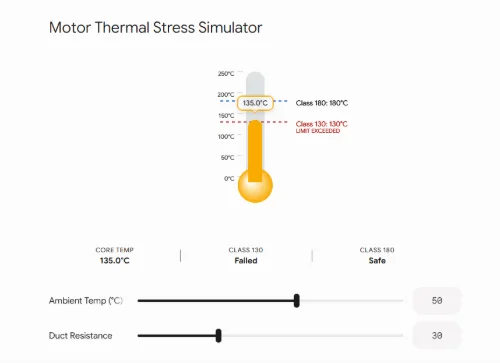
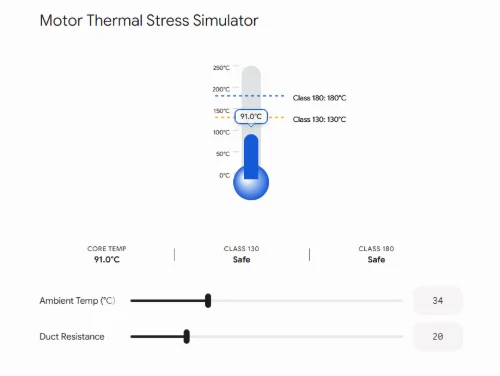
The Dual Threat of Heat in Range Hood Extraction
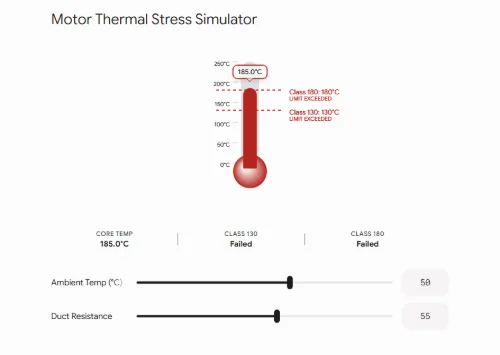
To engineer a thermally resilient appliance, R&D teams must account for two distinct sources of heat that attack the motor simultaneously:
- External Ambient Heat: The radiant thermal load rising directly from the cooking surface. In prosumer or commercial kitchen environments, the ambient air entering the volute can routinely exceed 60°C.
- Internal Electrical Heat (I²R Losses): As electrical current flows through the motor’s copper stator windings to generate torque, natural electrical resistance generates internal heat. If the motor is fighting high static pressure, or running on higher-speed 60Hz grids, this internal heat spikes exponentially.
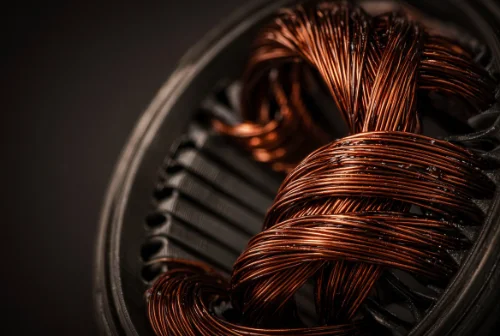
The K30 thermal protection system is engineered to manage the compounding effect of both ambient and internal thermal loads.
Class 180 (Class H) Insulation: The First Line of Defense
The structural integrity of any AC induction motor relies entirely on the microscopic layer of varnish (enamel) coating the copper wire within the stator. If the internal motor temperature exceeds the rating of this varnish, it melts. This causes the bare copper wires to touch, resulting in a dielectric breakdown (a massive short circuit) that permanently destroys the motor.
Why Class 130 is Insufficient for Prosumer Hoods
Many generic range hood motors utilize Class 130 (Class B)insulation.. This means the varnish will melt if the internal temperature exceeds 130°C. While sufficient for cheap, low-power bathroom exhaust fans, Class 130 offers zero safety margin for heavy-duty kitchen extraction.
The Electro NASA Standard
Every K30 motor features copper windings treated with Class 180 (Class H) insulation. This industrial-grade varnish guarantees the motor can operate continuously at internal temperatures up to 180°C without dielectric failure. This massive 50°C safety buffer ensures that even during extended holiday cooking sessions over multi-burner gas ranges, the K30 will not burn out.
The Failsafe: Auto-Resetting Thermal Protectors
While Class 180 insulation provides exceptional endurance, it is a passive defense. What happens if a catastrophic mechanical failure occurs?
Consider a locked-rotor condition: a scenario where a foreign object (like a dislodged baffle filter component) physically jams the backward-curved impeller. The motor’s magnetic field continues spinning, drawing massive amounts of electrical current in a desperate attempt to turn the locked shaft. Within minutes, the internal temperature will violently spike past even the 180°C limit.
How the Bi-Metallic Switch Works
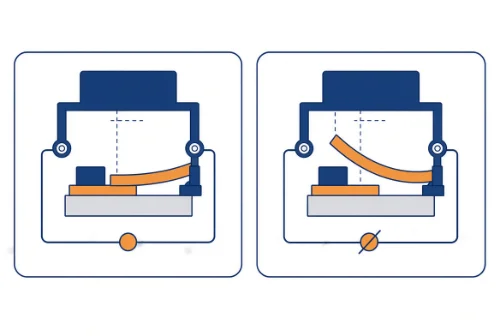
To prevent a fire hazard during a locked-rotor event, the K30 series is equipped with an in-line auto-resetting thermal protector wired directly into the stator coils.
This component contains a temperature-sensitive bi-metallic strip. If the internal temperature approaches the critical safety limit (typically calibrated around 150°C), the bi-metallic strip physically warps, breaking the electrical circuit and instantly cutting power to the motor.
Crucially, this protector is auto-resetting. Once the homeowner removes the physical obstruction and the stator cools back down to a safe operating temperature, the bi-metallic strip snaps back into place, restoring the circuit. The motor resumes normal operation, saving the OEM brand from a costly dispatch of a warranty repair technician.
Heat Dissipation and K30 Chassis Design
The physical material of the motor volute also plays a critical role in managing operating temperatures. Electro NASA offers the K30 in two configurations to suit different OEM thermal strategies:
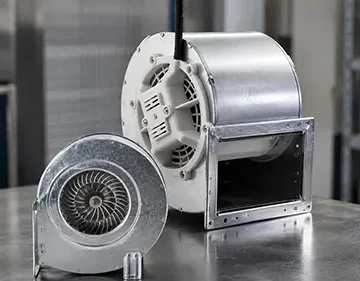
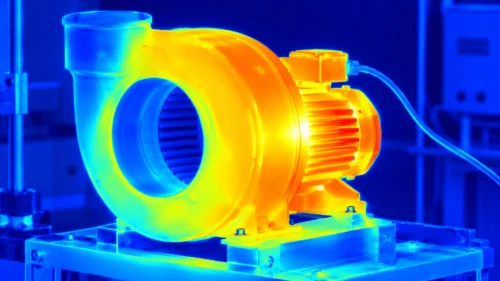
- K30 1113 / 1117 (Weld-Less Galvanized Steel): Steel acts as an excellent thermal sink. In commercial applications or island hoods positioned over massive heat sources, the steel chassis absorbs internal I²R losses and rapidly dissipates the heat into the passing exhaust airstream.
- K30 1111 / 3111 (Needle-Flame Plastic): For compact or telescopic hoods where metal is too heavy, the K30 utilizes industrial plastics that conform strictly to international needle-flame test standards. Even if an external appliance fire occurs (range hood safety requirements are set out in IEC 60335-2-31, the plastic volute is self-extinguishing and will not propagate combustion inside the cabinetry.
OEM Reliability Strategy: Reducing Warranty Claims
For Procurement Managers and QA Directors, specifying the K30 series is a direct investment in brand reliability. By insisting on Class 180 insulation and auto-resetting thermal protectors, OEMs dramatically reduce their Defect Part Per Million (DPPM) rates.
Before committing to a bulk motor contract, QA teams should demand that the supplier provide data fromrigorous dielectric withstand testing (Hi-Pot tests), proving that the Class 180 varnish is uniformly applied and capable of surviving the harshest thermal and electrical loads your appliances will face.
Frequently Asked Questions
How does operating on a 60Hz grid affect the K30’s thermal limits? A 60Hz grid forces an AC induction motor to spin 20% faster than on a 50Hz grid, increasing its electrical power consumption (Watts) by up to 73%. This generates significantly more internal heat. The K30’s Class 180 insulation is specifically engineered to absorb this massive 60Hz thermal load without requiring an external cooling fan, ensuring dual-frequency export compatibility.
Can we adjust the temperature at which the thermal protector trips? Generally, the trip temperature of the bi-metallic thermal protector is permanently calibrated at the factory (e.g., 145°C or 150°C) to perfectly align with the safety limits of the Class 180 copper windings. However, for specialized commercial OEM projects, Electro NASA R&D can discuss custom thermal calibration.
Does the auto-resetting thermal protector eventually wear out? The bi-metallic strip is rated for thousands of trip cycles. Under normal operating conditions, it should never trip during the entire lifespan of the appliance. It is an emergency failsafe designed for catastrophic events (like a jammed rotor or severe power surge), meaning its cycle life far exceeds the operational requirements of the range hood.
Is it normal for the motor housing to feel hot to the touch during operation? Yes. Particularly with the galvanized steel K30 models, the metal housing is designed to draw heat away from the internal copper coils. While the exterior may feel hot, the Class 180 insulation ensures the internal electrical components remain well within their thermodynamic safety margins.
Protect your brand reputation with zero-compromise thermal engineering. . Request an OEM Quotation & Production Lead Time for the Class 180-rated K30 series.
Designing a commercial-grade hood for high-BTU ranges? Consult with Electro NASA Technical Sales Engineers to ensure your appliance architecture supports maximum heat dissipation.